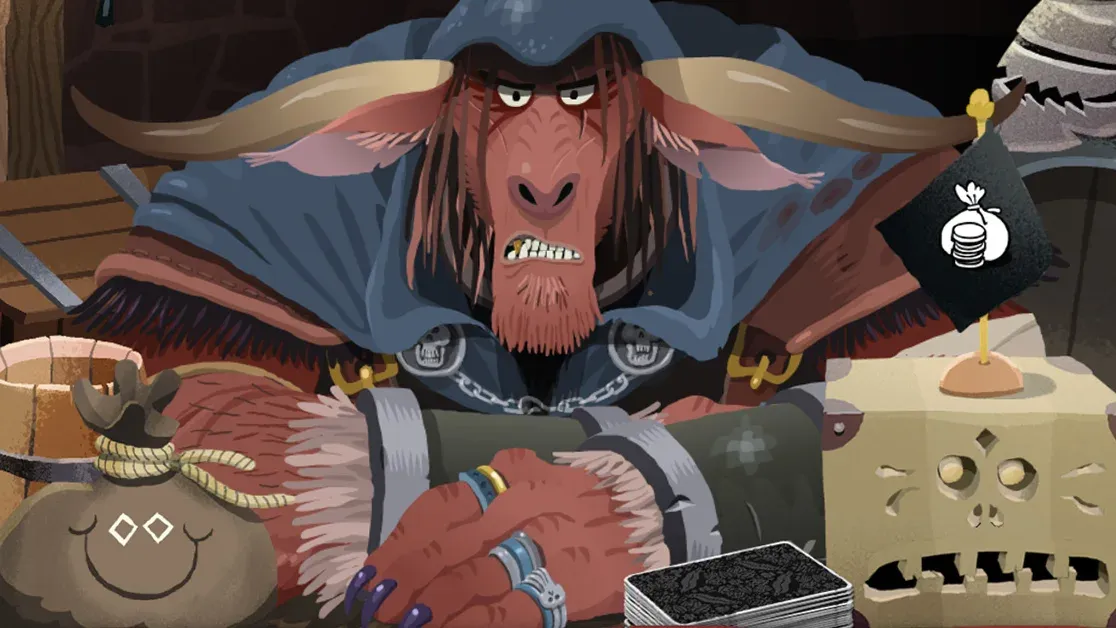
You can unlock everything in Card Crawl 2 without spending a penny. The developer says it takes about 90 days instead of roughly 30. Money buys pace, not access, and the single system that sets that pace is a gold pouch that holds 250 coins.
This guide explains how that economy actually works and how to play around it. If you are still deciding whether to install, first use our store-label check for ads and in-app purchases to see what each storefront discloses. Everything below was checked against version 1.0.40, dated August 28, 2026, on the US storefronts. Arnold Rauers has shipped 18 updates since launch and already changed one price, so treat specific numbers as current rather than permanent.
The gold pouch is the whole game economy
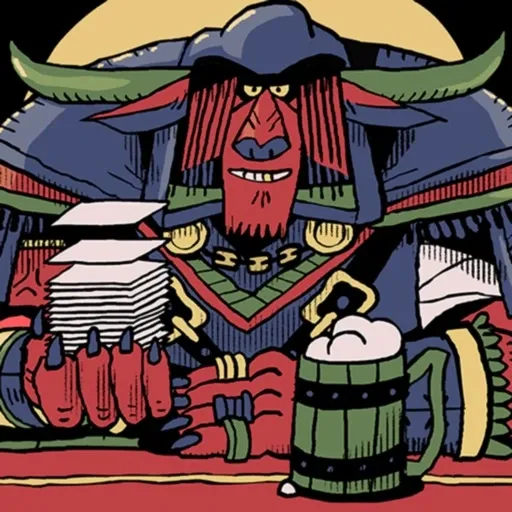
Gold you earn in a run is the soft currency you spend at the merchant on cards, equipment, and heroes. It is stored in Pouchy, a literal living purse, and Pocket Gamer’s Jack Brassell puts the constraint plainly: “By default, you can only have up to 250 coins at a time.”
That number is not an inconvenience, it is the design. Rauers has written openly that “all unlocks in the game are balanced around this limitation.” Two one-time purchases raise the cap to 500 and then 1,500.
Here is the pinch. Brassell notes that “some cards available for purchase at the merchant cost over 250 gold.” At the base cap, those cards are not expensive so much as unreachable: you cannot hold enough gold at once to buy them, no matter how well you play.
That is the moment most players decide the game wants money. It does, but there is a way through.
The chest trick that beats the cap
Chests are the answer, and they are the single most important thing a free player can learn.
Brassell’s workaround is exact: “Anytime you win a round with a chest stored in your backpack slot, you’ll get to keep all the gold inside, even if your pouch is full.”
So a chest is not just a reward, it is overflow storage. Gold inside a chest is not subject to Pouchy’s limit. Win a run with a chest occupying a backpack slot and that gold comes home regardless of how full your purse already is.
The cost is a backpack slot and time. You are giving up an item that could have helped you win, and Brassell is straightforward that this route “takes longer.” But it converts the hard cap into a slow cap, which is the difference between locked out and simply patient.
If you intend to play free, treat chests as the priority pickup rather than a bonus.
What chests and packs actually contain
Chests and card packs return gold, card variants, custom monster skins, and gems, a secondary currency that can buy hero sets or open otherwise locked parts of the game.
They are also randomised, and both storefronts say so in their own compliance language. Google Play labels the game “In-Game Purchases (Includes Random Items).” Apple’s listing carries a Loot Boxes advisory. That is worth knowing before you spend gems or money on a pack expecting a specific card: you are buying a draw, not an item.
Card variants are the long tail here. Every spell card can appear as Holographic, Polychrome, Golden, Foil, or Negative, each adding an ability on top of the base card, so the collection keeps going long after the useful cards are yours.
Rewarded ads are the accelerator, not the toll
Card Crawl 2 carries ads, and Google Play labels it accordingly. The important distinction for a free player is which kind.
Rauers describes rewarded ads as optional and always tied to a meaningful incentive, used “as a means of either progressing faster in the game or receiving rare or more valuable content sooner.” Interstitials are aimed at long-term non-payers. If you would rather see none of it, the Tavern Dweller Pass subscription removes ads for $0.99 a month, down from the $4.99 it launched at after players pushed back.
The practical read: rewarded ads are the free player’s substitute for the gold cap upgrade. Watching them is how you buy pace with attention instead of money.
The modes, and what unlocks what
Two modes are available from the start, and they differ in how much you control.
Standard lets you “choose a hero, spell, and item,” and then deals you “4 random spell cards and 4 random items.” It is the mode to learn in, because your opening decisions are yours.
Classic is the purist run: “you can’t choose your hero, and all your spells and items are randomly generated.” Better for a challenge, worse for deliberately chasing a specific unlock.
Standard Constructed unlocks as you collect, and “lets you choose all your spells and items.” This is the mode that makes targeted progress possible, which is exactly why it matters to a free player. Once you can pick your whole loadout, runs stop being a lottery and start being a plan.
What money actually buys
Seven in-app purchases were listed on the US App Store when we checked, from $0.99 to $8.99: a Tavern Dweller Pass, a Chest Pack, a Hero Set Purchase, Pouchy Upgrade 1, a Starter Pack, Pouchy Upgrade 2, and a Booster Pack. Google Play showed the same range.
Of those, only the two Pouchy upgrades change the structure of the game. Everything else buys content you can otherwise earn. If you are going to spend anything at all, the first pouch upgrade is the purchase that removes the wall rather than just skipping a queue.
One piece of context worth having: Rauers has said he built a prediction model to work out “at what pace content is unlocked by different player groups (free versus paid) and where meaningful pinch points could be created to nudge players towards spending a little money.” The pinch you feel at 250 gold is deliberate. Knowing that makes it easier to decide calmly whether to pay rather than deciding while frustrated.
A free player’s plan
- Play Standard while learning. Choosing your hero and starting cards teaches the board faster than Classic’s randomness.
- Carry a chest whenever you can spare the backpack slot, and prioritise finishing runs that have one.
- Spend gold as you approach 250 rather than banking toward it. Gold you cannot store is gold you never earned.
- Take rewarded ads when the incentive is something you actually want. That is the intended free-player accelerator.
- Push toward Standard Constructed. Once you can pick a full loadout, you can aim runs at the specific cards you are missing.
- Treat packs as draws, not purchases. Both stores class them as randomised.
- Reassess after a few weeks. If you are enjoying it enough to still be playing, the first pouch upgrade is the one purchase that changes the structure.
What to watch for
The economy has already moved once. The subscription price dropped from $4.99 to $0.99 after launch criticism, and the game has had 18 updates. Balance figures, pack contents, and prices can all change, so check the current in-game store rather than trusting a number in any guide, including this one.
It is also worth being honest about the tradeoff the guide cannot solve. Playing free is genuinely viable here, but it costs roughly three months of patience and a steady diet of optional ads. That is a real price, just not one paid in money. Our full Card Crawl 2 review covers whether the game underneath is worth that.
If you would rather learn positioning than manage a gold-pouch economy, our Shattered Pixel Dungeon review explains that alternative. Its sewers beginner guide shows how doors, equipment requirements, and hunger affect the opening runs.
Frequently asked questions
Do you have to pay anything to finish Card Crawl 2?
No. The developer states that a free player can reach 100% of the content without spending money, and estimates it takes around 90 days against roughly 30 days for someone who buys the gold pouch upgrades. Money buys pace, not access.
Why can't I buy a card I have enough gold for?
You almost certainly do not have enough gold stored. The pouch holds 250 by default and some merchant cards cost more than that, so the gold simply cannot accumulate high enough until you either raise the cap with a purchase or carry the extra in a chest.
Are the rewarded ads compulsory?
No. The developer describes rewarded ads as optional and always attached to an incentive, with interstitial ads aimed at long-term non-payers. A $0.99 monthly Tavern Dweller Pass removes ads if you would rather not see them at all.